Winning work
How to send a quote the same day you walk the job
Being first and being clear is an advantage you can build on purpose. A repeatable twenty-minute routine for turning a site visit into a quote a customer can sign.
September 16, 2026 5 min read

Homeowners rarely compare three perfectly identical bids. They compare the first one they understood against the ones that came later. Speed matters less than clarity, but speed buys you the chance to be the one they understood first.
The walk: gather everything in one pass
- 1Photos of every wall, angle and obstacle — including the ones you assume are fine.
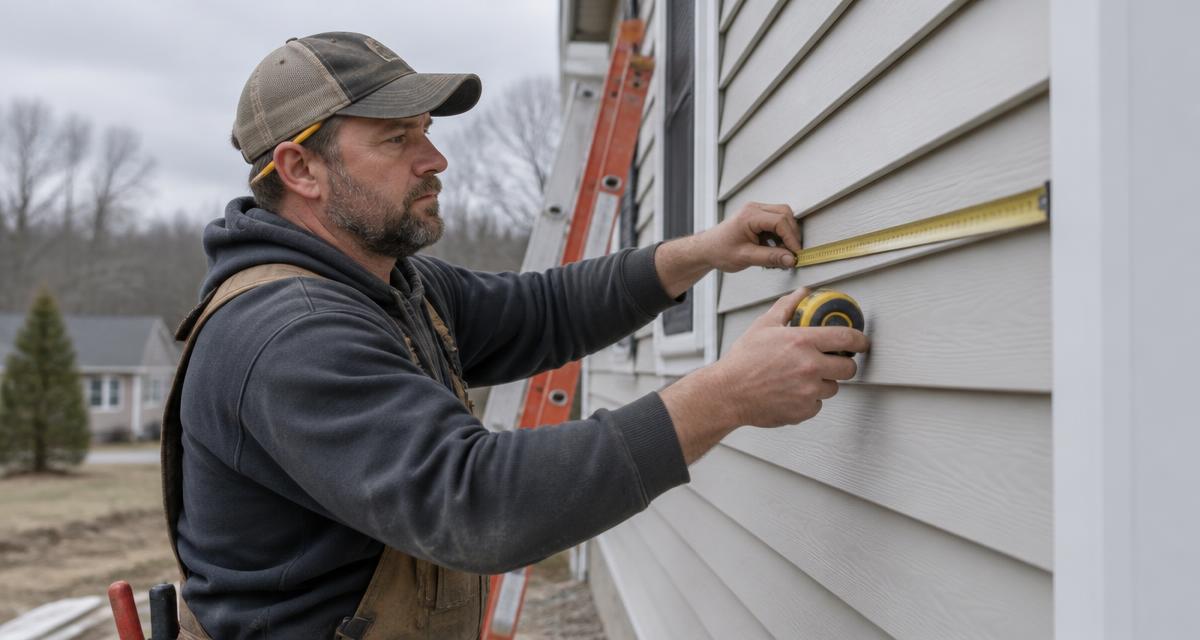
- 2The measurements you will actually need, written down as you take them.
- 3The customer's priorities in their words: what they hate, what they will not change, what has to be done first.
- 4Access details: gates, pets, parking, where the crew will work and store material.
- 5The name and email address of the person who signs. Not "the wife will decide" — the person who signs.
Twenty minutes at the truck
Do it before you drive to the next job, while the walk is still fresh. Start from a template for your trade so you are editing, not writing from scratch. Fill in the scope line items, quantities, and the customer's own words. Set your markup and tax once so the numbers land the same way they do on every job.
Then add the parts a competitor usually skips: what is excluded, what happens if hidden damage turns up, the start and completion window, the deposit, the warranty, and the notices your state requires. That is what makes a document look like it came from someone who has done this for twenty years.
Send it in a form they can act on
- One page of quote, one page of contract — not a stack of printouts.
- A deposit amount that fits your state's limit, spelled out with what it covers.
- A signature step the customer can complete without printing anything.
- A clear next step: what you need from them, by when, and what happens after.
Follow up on a schedule, not on a feeling
Write the follow-up date in the job when you send the quote — two days out is a reasonable default for most residential work. One short message that asks a specific question beats three "just checking in" calls. If they go quiet, ask once whether the timing changed, and mean it when you say you will hold their slot until a date.
A quote you send the same day is only worth sending if the numbers are real. Prices from templates and AI drafts are starting points — check quantities against your own measurements and set the final numbers before anything reaches a customer.
Turn this into a quote in minutes
Describe the job in plain English and Quote Genius drafts the line items, then builds a contract with your state's deposit limits and required notices.