Estimating
How to estimate a roof replacement: squares, pitch and waste
Roof estimating is mostly arithmetic plus a few decisions nobody tells you about. Here is the measurement method, the pitch multipliers, and the line items that separate a fair number from a lowball.
October 14, 2026 8 min read
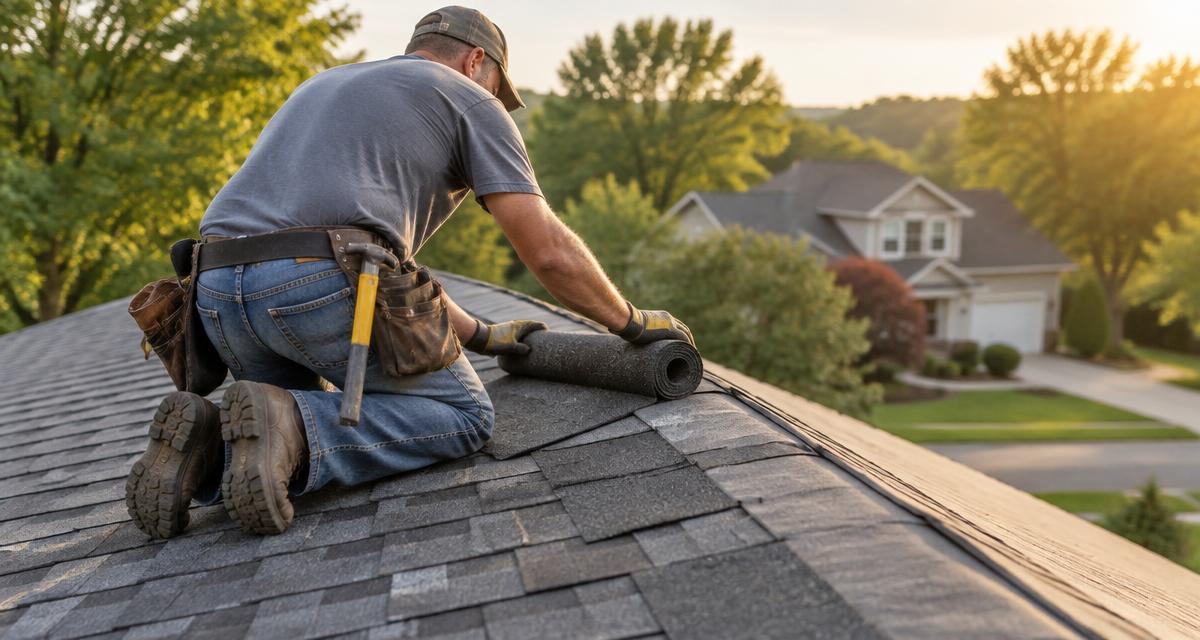
A roofing estimate is a sum of three things: how much surface there is, how much material and labor that surface takes, and what the roof is hiding. Get the surface right and the rest is bookkeeping.
Start with plan area, not floor area
Walk the perimeter with a wheel or a laser and write down each facet: the width of each wall times the height from eave to ridge. A two-story colonial is two stories of wall per side, so measure the height where it actually is. Gables are triangles — half base times height — and get added, not ignored.
Add the facets together and you have gross plan area in square feet. Divide by 100 and you have squares, the unit everyone in the industry prices by. One square is 100 square feet of roof surface.
Multiply by pitch — the step people skip
A steep roof has more surface than its footprint suggests. The multiplier comes straight from the Pythagorean theorem: divide the rise by 12, square it, add 1, and take the square root.
| Pitch | Multiplier | Pitch | Multiplier |
|---|---|---|---|
| 3/12 | 1.031 | 8/12 | 1.202 |
| 4/12 | 1.054 | 9/12 | 1.250 |
| 5/12 | 1.083 | 10/12 | 1.302 |
| 6/12 | 1.118 | 12/12 | 1.414 |
| 7/12 | 1.158 | 16/12 | 1.667 |
So a 2,000 square foot footprint at 6/12 is about 2,236 square feet of real roof — 22.4 squares before waste.
Waste, and why it is not one number
Cutting around hips, valleys, dormers and eave lines produces scrap that never goes on the house. Ten percent is a fair starting point on a simple gable; fifteen percent or more on a roof with lots of valleys, small facets or a steep pitch. Hips and valleys are where the waste lives, and every cut in a valley costs more than the square footage it covers.
The line items that decide whether you make money
- Tear-off: one layer or two. A second layer doubles disposal time and dumpster weight.
- Decking repair: budget a realistic number of sheets of plywood per square, or carry a per-sheet price in your change-order list.
- Ice and water shield at eaves, valleys and around penetrations, per your code and manufacturer requirements.
- Drip edge, underlayment, ridge vent, starter strip, and hip and ridge shingles — priced by linear foot, not by square.
- Pipe collars, skylight flashing, chimney flashing and step flashing, counted on the roof, not guessed from the truck.
- Fasteners, and the labor to hand-nail where a gun cannot reach.
- Dumpster, disposal fees, and the permit.
Labor: hours, not a percentage
Crews vary, but a steady two-to-three person crew on a straightforward asphalt roof will tell you a fair number in squares per day. Write down what your own crew actually did on your last three jobs and price from that, not from a rule of thumb you inherited. Then add the days the weather will take.
Two things to say out loud to the customer
- What happens if decking is rotten: a per-sheet price agreed in advance, approved with photos.
- What the estimate does not include: antenna or satellite dish removal, roof access obstacles, or repairs to interior ceilings.
Measurements taken from photographs are estimates. Confirm the critical dimensions on the roof or from the customer's plans before you sign anything — a square that is wrong by ten percent is your margin, not the customer's.
Turn this into a quote in minutes
Describe the job in plain English and Quote Genius drafts the line items, then builds a contract with your state's deposit limits and required notices.